

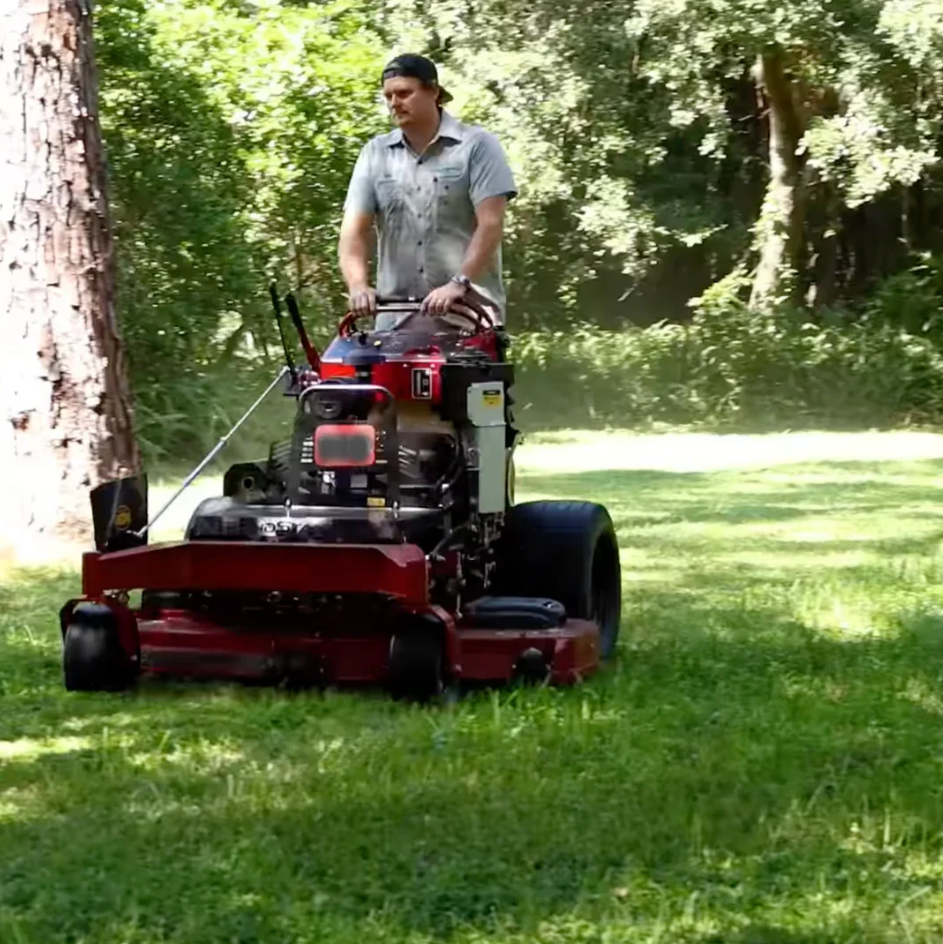
Lawn mower engine problems have a way of sneaking up on you. The mower starts a little harder than it used to. It bogs down in thick grass more than it did last season. It runs hotter. It burns through fuel faster. Each symptom on its own feels minor, and most homeowners chalk it up to the mower getting older and move on.
What most people never consider is whether the cutting system under the deck is contributing to those problems. A traditional metal blade is heavy, rigid, and puts a consistent load on the engine every single session. When that blade gets even slightly out of balance from a rock strike, an uneven sharpening, or normal wear over time, the stress it transfers into the engine and spindle assembly increases significantly. The engine has to work harder to maintain speed against an unbalanced load, and that extra work shows up as exactly the symptoms most people write off as normal aging.
Understanding the connection between your blade and your lawn mower engine problems is the first step toward fixing them at the source rather than chasing symptoms.
Warning Signs Your Engine Is Working Harder Than It Should
Before looking at what causes these problems, it helps to know what to watch for. These are the most common signs that a lawn mower engine is carrying more load than necessary:
- Hard starting or slow cranking — takes more pulls or longer crank time than it used to
- Engine bogging down in thick or wet grass — the engine audibly struggles or slows through denser sections
- Running hotter than usual — noticeable heat from the engine housing or a burning smell after sessions that did not cause that before
- Higher fuel consumption — refilling the tank more often for the same amount of mowing
- Increased vibration through the handles or seat — a shake or rattle that was not there when the mower was newer
- Rough idle after mowing — the engine sounds uneven or surging when you slow down or stop
If any of these sound familiar, the blade is worth looking at before assuming the engine itself needs attention.
How an Unbalanced Metal Blade Creates Lawn Mower Engine Problems
A metal blade that is even slightly out of balance does not just create vibration. It creates a cyclical stress load on the engine that repeats with every rotation at operating speed. Here is how each stage of mowing puts strain on the engine:
At startup: The engine has to spin a heavy, rigid metal blade from zero to operating speed before oil has fully circulated. This is the hardest moment in any engine's operating cycle, and doing it repeatedly over years with a heavy or unbalanced blade accelerates wear from the very first second of each session.
During mowing: A metal blade spinning at operating speed creates constant resistance that the engine pushes against to maintain its RPMs. In thick grass, wet conditions, or overgrown sections, that resistance increases and the engine compensates by working harder. The bog you hear when hitting a dense patch is the engine telling you it is struggling.
On impact: Every time the blade strikes a rock, a root, or buried debris, the sudden resistance spike travels up through the blade, into the spindle, and into the engine itself. These sharp stress events happen far more often than most operators notice, and their cumulative effect over hundreds of hours of mowing contributes to internal wear that a regular oil change cannot fully offset.
What Changes When You Switch to the REVO6
The REVO6 system replaces the heavy, rigid metal blade with a lightweight aluminum hub and six flexible REVOline cutting lines. Here is what that change does for your engine specifically:
- Lighter startup load — the hub and line system weighs significantly less than a metal blade, so the engine spins up a lighter cutting element from zero at every cold start
- Lower continuous operating resistance — the flexible line system does not create the same constant rotational resistance that a rigid metal blade does, keeping the engine running comfortably within its normal operating range
- No impact spikes — when the REVOline contacts a rock or hard object it deflects rather than forcing through, so the sharp stress events that a metal blade sends into the engine simply do not happen the same way
- Consistent balance every session — the REVO6 2.0 hub is perfectly balanced regardless of how many lines are installed, eliminating the cyclical stress load that an imbalanced metal blade creates with every rotation
Customers on the safemowing.com FAQ page and in verified reviews have specifically noted that the REVO6 puts less strain on the mower motor compared to traditional metal blades. The engine does not gain power when you switch. It just stops working against unnecessary resistance, and the difference is immediately noticeable.
What Easier Operation Actually Looks Like Day to Day
Homeowners who switch to the REVO6 from a metal blade setup describe the practical difference in a few consistent ways:
- The mower starts more easily, especially on the first pull of the season
- The engine note stays steadier through thick sections of grass rather than dropping and compensating
- Less vibration through the handles or seat during a full mowing session
- The mower runs quieter overall, which operators notice within the first few passes
One customer described the mower feeling like it had more power after switching to the REVO6. The engine did not gain anything. It just stopped working against the unnecessary load the metal blade had been creating, and the difference between a strained engine and a comfortable one is exactly what more power feels like from the operator's side.
Lawn Mower Engine Problems Are Worth Addressing at the Source
If your mower is showing any of the warning signs covered in this post, changing the blade system is the most direct thing you can do before assuming the engine itself needs repair. In many cases the symptoms ease significantly once the rotational load and impact stress the metal blade was creating are removed from the equation.
The REVO6 is available in residential, suburban, rural, and commercial packages at safemowing.com. Every package installs using the same bolt or nut that holds the existing metal blade with no special tools required. The hub carries a lifetime warranty and the system is backed by a 90-day money-back guarantee.
Your mower engine was built to last. The cutting system it is running should not be working against that every single session.

 https://safemowing.com
Share and get 15% off!
Simply share this product on one of the following social networks and you will unlock 15% off!